
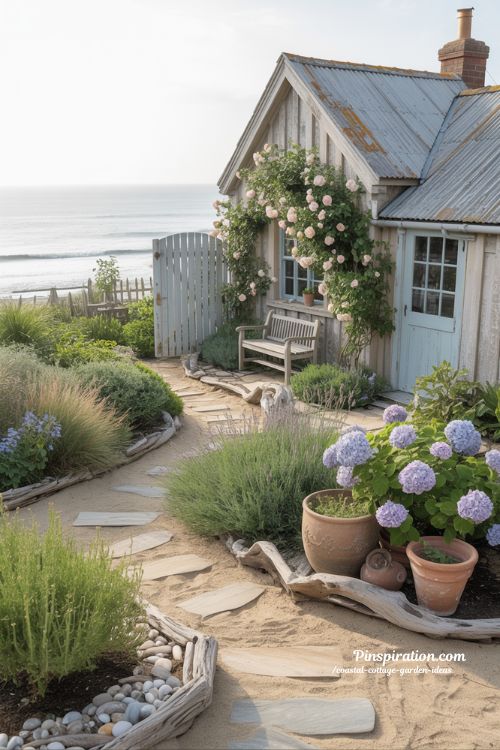
When I first started paying attention to Coastal Cottage Garden Ideas, I honestly didn’t realize how deeply calming this style could feel. It’s not just about flowers or layouts—it’s more like a mood you step into. The kind of garden that makes you slow down without even noticing it. I remember standing near a seaside-inspired garden once, wind tugging at the plants, and thinking, “This is what I want at home—something that breathes with me, not against me.”
What I’ve learned since then is that coastal cottage gardens aren’t about perfection. They’re about feeling. Salt in the air, soft blooms leaning into each other, and little surprises tucked along paths. It’s a mix of structure and wildness that somehow just works.
- Coastal gardens thrive on soft, natural movement rather than strict design
- Plants are chosen for resilience and beauty together
- The charm comes from imperfection and layering, not control
Understanding the Heart of Coastal Cottage Garden Ideas
Before we jump into designs, I think it helps to understand what makes this style feel so special. It’s not just “beachy plants” or rustic décor. It’s more emotional than that. These gardens are built around comfort, memory, and the feeling of being close to nature even if the ocean is miles away.
When I think of Coastal Cottage Garden Ideas, I picture soft wind moving through grasses, old wooden textures, and flowers that don’t mind a little struggle. That contrast—fragile blooms against tough coastal conditions—is what makes everything feel alive.
The Emotional Style Behind Coastal Gardens
There’s something nostalgic about this style. Maybe it reminds people of holidays, or maybe it’s just the relaxed pace it creates. Either way, the garden doesn’t try to impress—it simply exists. And that’s why it works so well in so many spaces.
1. Driftwood Garden Borders That Feel Naturally Found
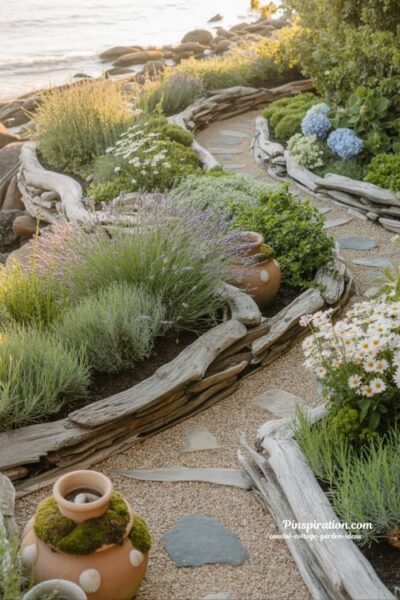
Driftwood is one of those materials that feels like it already belongs in the garden. You don’t force it into shape; you just let it settle where it feels right. I’ve seen it used along beds, marking edges in a way that feels soft and unplanned, almost like nature placed it there itself.
The beauty of driftwood borders is how they age with the garden. Over time, they blend into soil, plants, and texture. It’s not about keeping things neat—it’s about letting them belong.
2. Shell-Lined Pathways That Whisper the Ocean
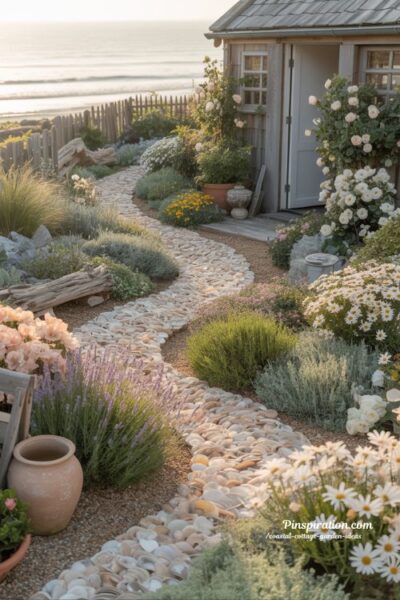
A shell-lined path is simple, but it changes everything. As you walk, there’s this soft crunch underfoot that immediately shifts your mood. It feels grounding, almost meditative.
Table 1: Coastal Pathway Materials
| Material | Feel | Best Use |
| Shells | Soft coastal charm | Decorative garden paths |
| Gravel | Natural texture | Main walking routes |
| Stone | Solid structure | Formal transitions |
Before choosing materials, think about how you want the path to feel under your feet. I always tell people: don’t just design for the eyes—design for the walk itself.
3. Ornamental Grasses That Move With the Wind
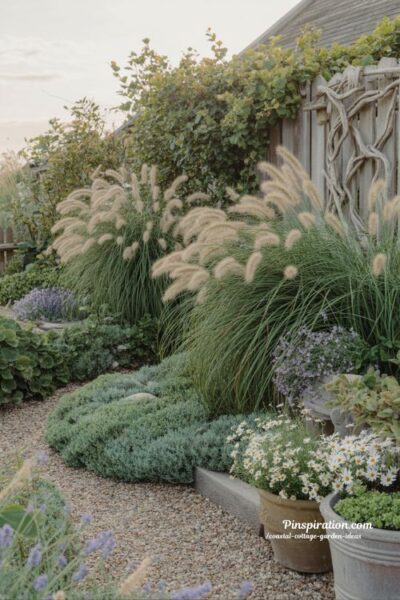
Grasses are the quiet heroes of coastal gardens. They don’t shout for attention, but when the wind comes through, everything changes. The whole space starts to breathe.
I love how grasses like miscanthus or blue oat grass don’t stay still. They shift constantly, almost like they’re listening to the weather. That movement brings softness to even the most structured garden.
4. Seaside Herb Gardens That Feel Both Useful and Beautiful
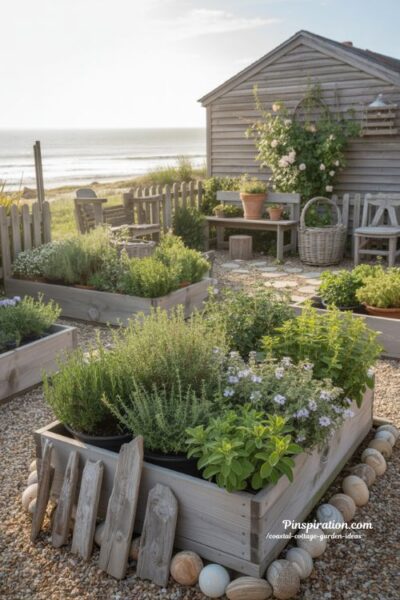
Herb gardens are one of my favorite parts of this style because they’re practical but still deeply beautiful. Rosemary, thyme, and oregano don’t just survive coastal conditions—they thrive in them.
When planted in raised beds or wooden frames, they create this gentle, lived-in look. It’s the kind of space where you can walk out, touch a leaf, and immediately feel grounded.
5. Rowboat Planters Full of Wild Personality
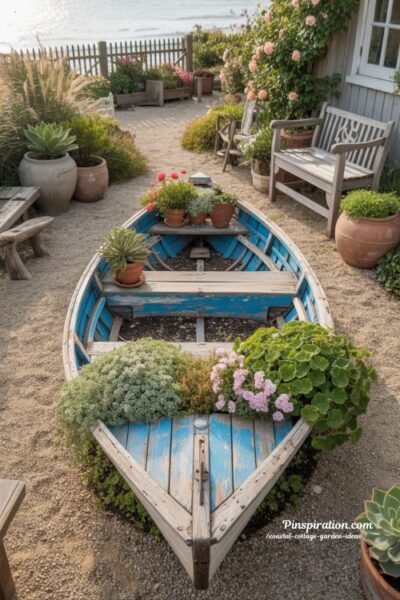
There’s something slightly whimsical about using an old rowboat as a planter. It shouldn’t work, but it does. Fill it with succulents or trailing flowers, and suddenly it becomes the focal point of the whole garden.
It feels a bit like storytelling—like the boat had a life before and now it’s resting in the garden, still useful in its own way.
6. Rock Gardens That Stay Strong Through Seasons
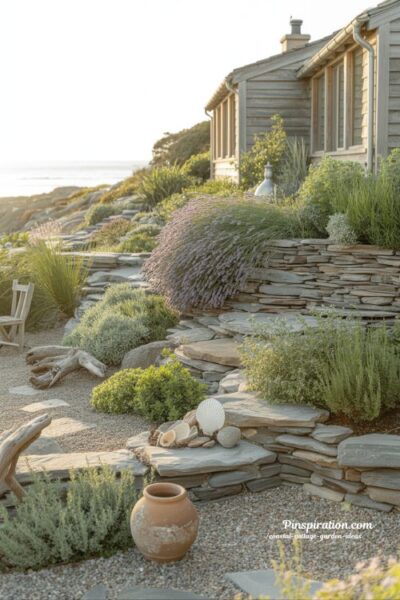
Rock gardens are practical, but they can also be incredibly peaceful. Stones hold the structure while plants soften everything around them. Lavender, sage, and low-growing herbs work beautifully here.
The best part is how little maintenance they need. Once established, they almost take care of themselves, which honestly feels like a small gift in busy life.
7. Wind-Swept Planting That Feels Alive
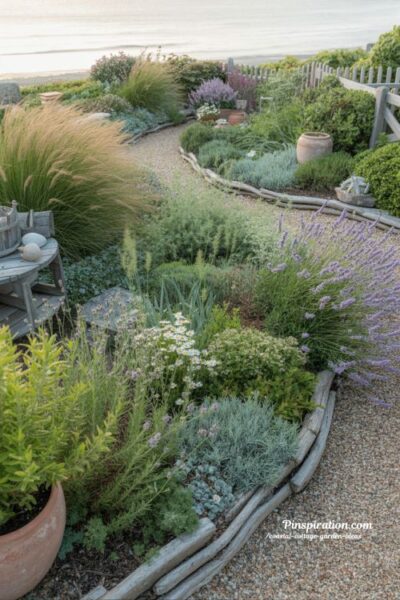
Instead of forcing plants into straight lines, this style lets them lean and flow. It’s a bit messy, but in the best way. I always think of it as letting the garden “exhale.”
This approach works especially well near open spaces where wind naturally shapes the plants. It’s not controlled—it’s guided by nature.
8. Cottage Garden Pathways With Gentle Curves
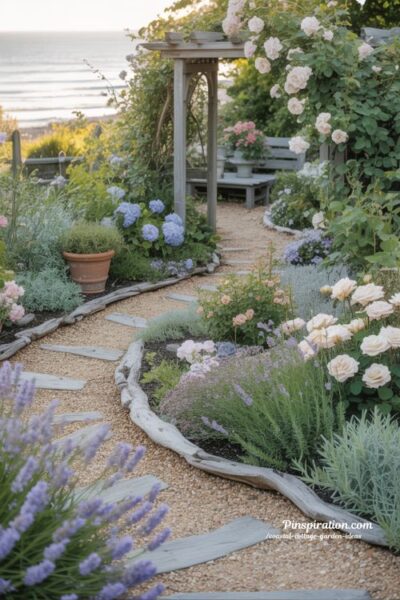
Straight lines feel too rigid for this style. Curves, on the other hand, feel like discovery. You don’t see everything at once, and that’s the point.
When designing paths, I like to imagine walking through them slowly, noticing small details along the way. That sense of unfolding is what makes it special.
9. Low-Maintenance Coastal Garden Planning
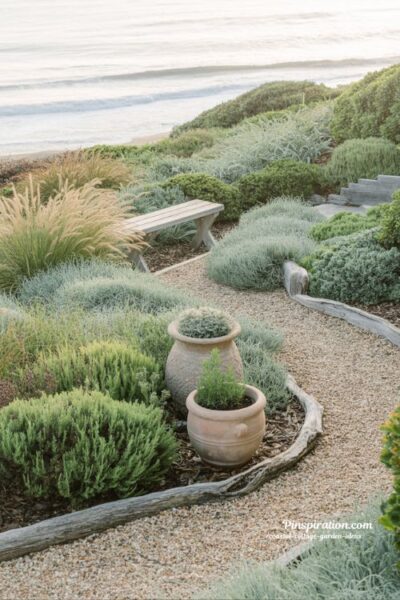
Let’s be honest—most of us want beauty without constant work. That’s where smart plant choices come in.
Table 2: Low-Maintenance Plant Choices
| Plant Type | Benefit | Care Level |
| Lavender | Drought-tolerant | Low |
| Ornamental grasses | Wind-resistant | Very low |
| Native shrubs | Adaptable | Low |
The idea is simple: choose plants that work with your environment, not against it. Once you do that, everything becomes easier.
10. Container Gardens for Small Coastal Spaces
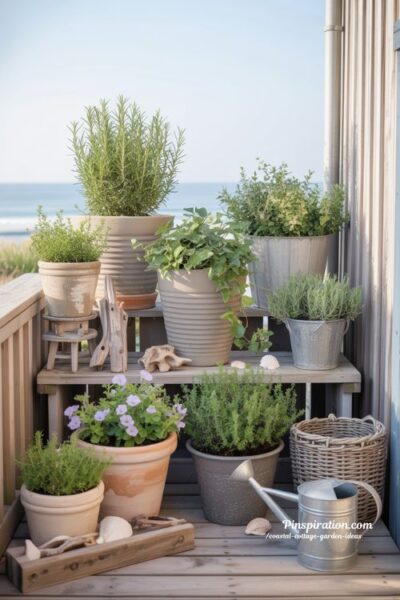
Not everyone has a big yard, and that’s okay. Containers bring flexibility. You can move them, rearrange them, or completely change the mood whenever you want.
I like mixing textures—rough pots with soft flowers, tall plants next to trailing vines. It keeps things visually interesting without feeling crowded.
11. Vintage Garden Accents That Add Soul
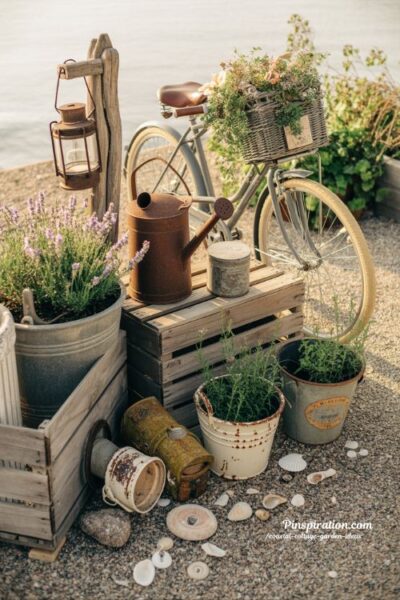
Old objects bring personality into the garden. A rusted watering can or worn bicycle suddenly feels like part of the story. It doesn’t feel staged—it feels collected over time.
That’s what makes this style so comforting. Nothing feels new or forced.
12. Creating Shaded Corners for Quiet Moments

Every garden needs a place to pause. Shade areas offer that soft break from light and heat. A bench under a tree or a small pergola can completely change how you use the space.
These corners often become the most loved spots in the garden. They feel private, even if the garden is open.
13. Year-Round Garden Balance and Texture
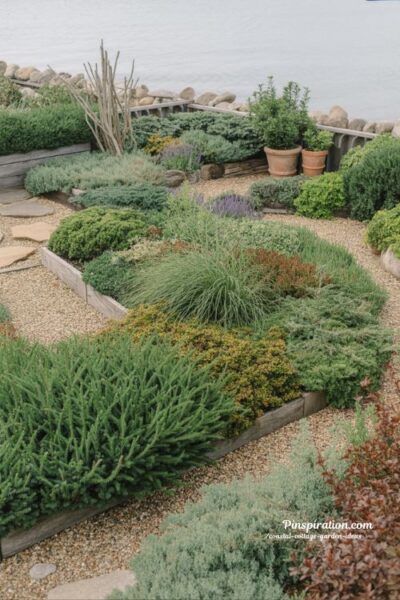
A good garden never disappears in winter. Even when flowers fade, structure remains. Evergreen shrubs, grasses, and hardscape elements keep things visually alive.
It’s about thinking beyond one season and planning for the whole year.
14. Natural Water Elements for Calm Energy
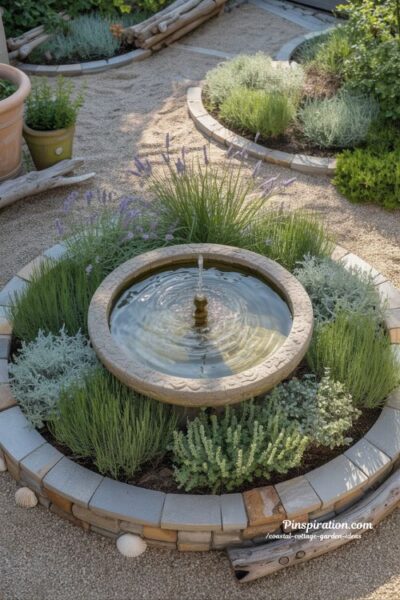
Water doesn’t need to be large to make an impact. Even a small fountain can change the mood of a space instantly. The sound alone brings calmness.
It also connects beautifully with the coastal theme, reminding you of tides and movement.
15. Blending Flowers for Soft Layered Beauty
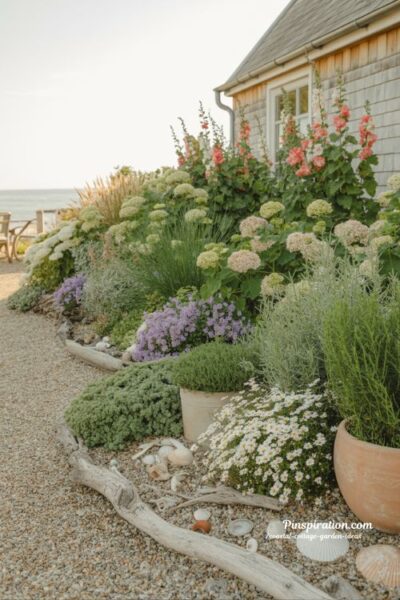
Layering is everything in this style. Tall plants at the back, soft fillers in the middle, and low blooms at the front. It creates depth without feeling structured.
The goal isn’t control—it’s harmony.
16. Designing for Wildlife and Natural Movement
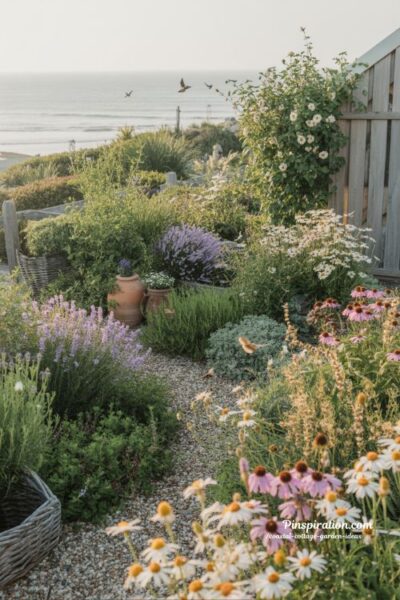
Bees, butterflies, and birds bring life into the garden. Without them, it feels incomplete. Choosing pollinator-friendly plants makes a huge difference.
It also creates movement you can’t design yourself—it just happens naturally.
17. Bringing It All Together in a Coastal Cottage Garden
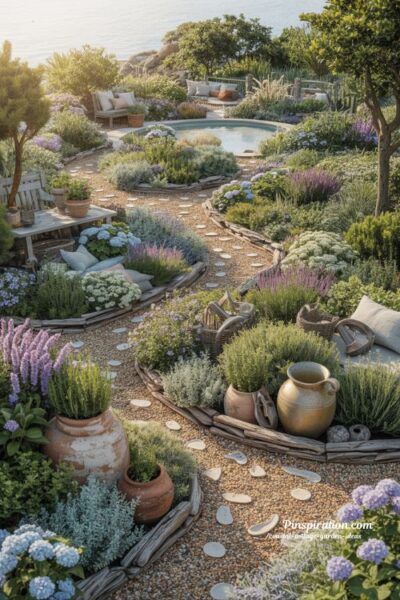
At the end of the day, everything connects. Plants, textures, paths, and objects all work together to create a space that feels lived-in and honest.
The best gardens aren’t the ones that look perfect. They’re the ones that feel like they’ve always been there, quietly growing into themselves.
FAQ
What makes Coastal Cottage Garden Ideas different from regular cottage gardens?
They combine relaxed cottage planting with coastal resilience, using wind- and salt-tolerant plants along with natural textures like driftwood and stone.
Can I create a coastal cottage garden without living near the sea?
Yes, absolutely. The style is more about plant choice and atmosphere than location, so you can recreate it anywhere.
What are the easiest plants for a coastal cottage garden?
Lavender, ornamental grasses, rosemary, and native shrubs are some of the easiest and most reliable options.
Do coastal gardens require a lot of maintenance?
Not usually. Once established, they tend to be low-maintenance because they use hardy, drought-tolerant plants.
Can small spaces work for this garden style?
Yes, containers and vertical planting make it easy to achieve the look even in compact spaces.
How do I make a coastal garden look natural?
Avoid strict layouts, use curves in pathways, and mix plant heights and textures freely.
What is the most important design principle?
Letting the garden feel natural, layered, and slightly imperfect rather than overly controlled.
Coastal Cottage Garden Ideas create stunning, peaceful outdoor spaces with lush blooms, natural textures, and effortless seaside charm and beauty.