
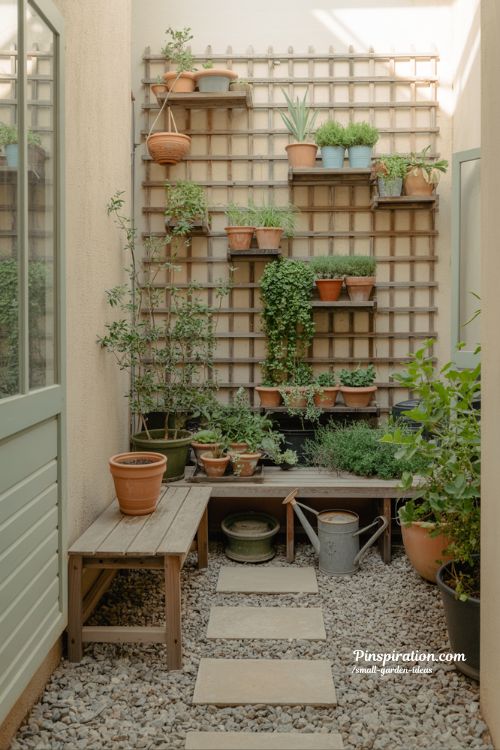
When I first started paying attention to outdoor spaces, I honestly didn’t think much of small gardens. I used to believe a garden had to be big to feel special. But over time, especially after seeing how people creatively work with tight spaces, I changed my mind completely. A small space can feel calm, stylish, and deeply personal if you treat it with care and intention. That’s really what Small Garden Ideas are all about—making less space feel like more life.
Now when I look at even a tiny balcony or a narrow backyard, I don’t see limits anymore. I see possibilities. A place to sit with morning tea, a wall that could turn green, or a quiet corner that feels like an escape from noise.
- Small spaces can feel bigger with the right layout
- Vertical design changes everything
- Simple choices often create the strongest impact
Understanding the Heart of Small Garden Ideas
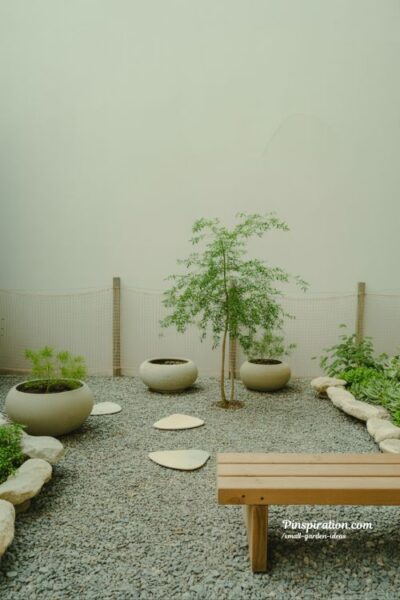
Before jumping into design tricks, it helps to understand what makes a small garden truly work. It’s not about filling every empty corner. In fact, that’s where many people go wrong. A good small garden feels open, even when it’s packed with greenery. It breathes.
When I first tried designing a small outdoor space, I made the mistake of adding too many plants. It looked messy instead of peaceful. Later I realized the secret was balance, not abundance. Light, space, and structure matter just as much as plants.
Why Simplicity Always Wins
Simplicity doesn’t mean boring. It means thoughtful. When you choose fewer elements but place them carefully, the space feels more intentional. In Small Garden Ideas, simplicity helps your eyes rest. You start noticing textures, shapes, and even small shadows.
A simple layout also makes maintenance easier. You don’t feel overwhelmed every time you step outside. Instead, the space invites you in.
Planning the Space Before Planting Anything
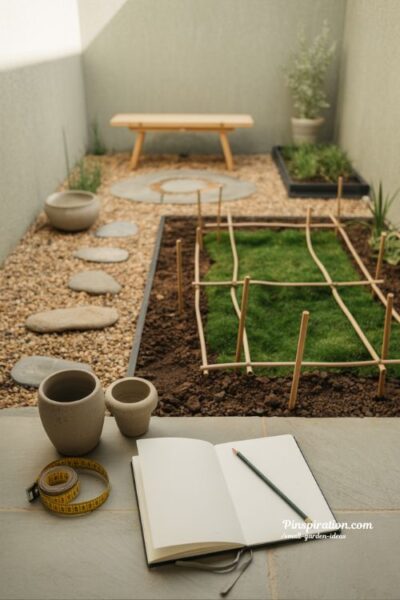
This is where most people skip ahead, but honestly, planning saves you from regret later. I’ve learned this the hard way after rearranging pots more times than I’d like to admit.
Before buying anything, I now just sit and observe the space. Where does sunlight fall? Where does it feel too tight? These small observations shape everything.
H3: Basic Space Planning Guide
Here’s a simple breakdown I often follow when working with Small Garden Ideas:
| Area Type | Purpose | Design Focus |
| Seating Zone | Relax and unwind | Comfort + shade |
| Green Zone | Plants and growth | Vertical + layered look |
This kind of structure keeps things clear. You don’t need to be a designer to use it. It just gives your garden direction instead of chaos.
Small Garden Ideas with Vertical Growth
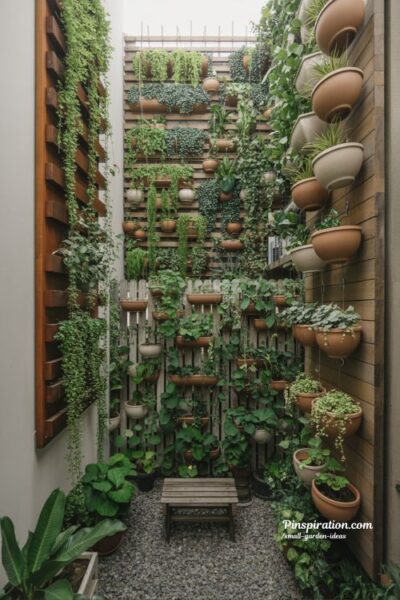
If I had to choose one thing that completely changes small spaces, it would be vertical gardening. Walls suddenly become useful, not just boundaries. Even a dull fence can turn into something alive.
When plants grow upward instead of outward, you save so much ground space. And honestly, it feels a bit magical too—like the garden is climbing into the air.
Making Walls Work for You
Climbers, hanging pots, and vertical panels all help here. You don’t need expensive systems. Even simple hooks and recycled containers can work.
The beauty of this approach is that it brings depth. Your eyes move upward instead of just across the ground, and that alone makes the space feel larger.
Container Gardening That Feels Flexible and Free
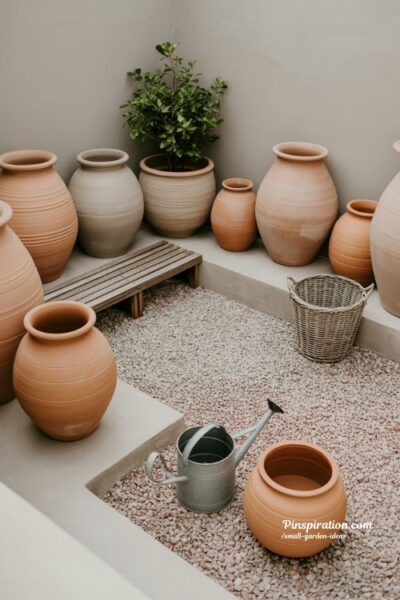
One of the most practical Small Garden Ideas is using containers. I like them because they let you change your mind. If something doesn’t look right, you just move it.
Containers also help when soil quality isn’t great. You control everything—soil, water, placement. It feels a bit like painting, where you can adjust colors anytime.
Choosing the Right Containers
Not all pots work the same. Some take up too much space, while others feel too small to matter. The goal is balance.
Avoid cluttering the ground with too many tiny pots. One or two larger containers often look cleaner and more intentional. Grouping also helps create visual rhythm.
Creating Seating Corners That Feel Alive
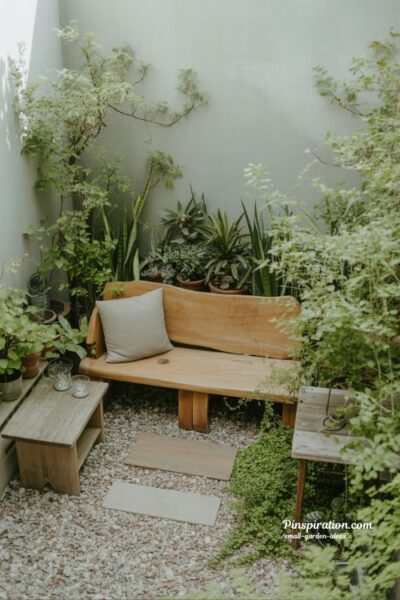
A garden without a place to sit feels unfinished to me. Even the smallest corner can become a resting spot if you treat it gently.
I once placed a simple wooden bench in a narrow space surrounded by plants. Nothing fancy. But that became my favorite part of the whole area.
Making Comfort the Priority
Comfort matters more than design perfection. A soft cushion, a bit of shade, and some greenery nearby can completely change the mood.
When working with Small Garden Ideas, always think about how the space will feel, not just how it will look.
Raised Beds for Structure and Ease
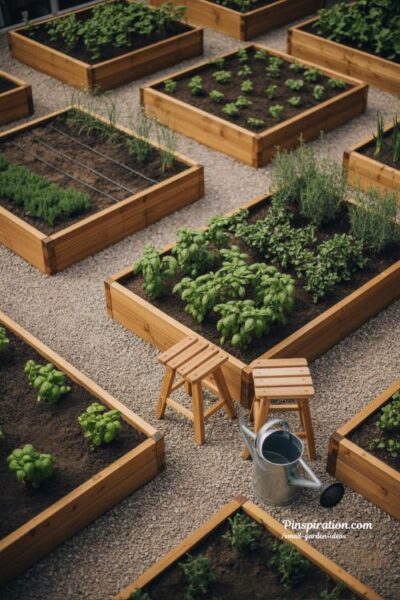
Raised beds are one of those things that quietly make everything better. They organize space without making it feel rigid. They also make gardening easier on your back, which honestly becomes more important over time.
They’re especially useful for vegetables and herbs, where soil control matters.
Why Raised Beds Work So Well
They separate planting areas clearly. That helps avoid visual mess. You can also design them in shapes that guide movement through the garden.
They bring order without taking away creativity.
Using Color to Expand Visual Space
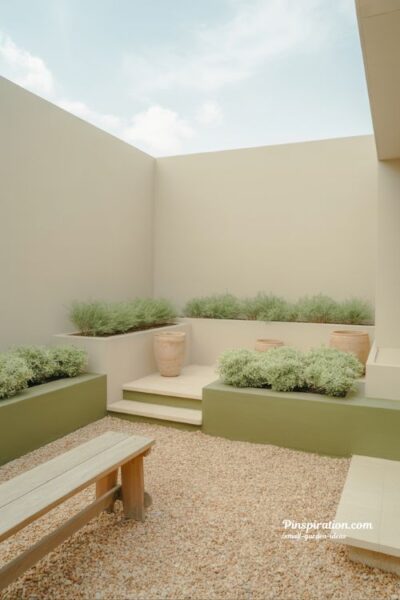
Color plays a bigger role than most people realize. Light tones make spaces feel open, while dark tones bring things closer visually.
I once painted a small wall in a soft cream shade, and the difference was immediate. The space suddenly felt brighter and more breathable.
Simple Color Rules
Stick to soft greens, whites, and light earth tones. Let plants add the stronger colors naturally. This keeps everything balanced and calm.
Climbing Plants for Natural Privacy
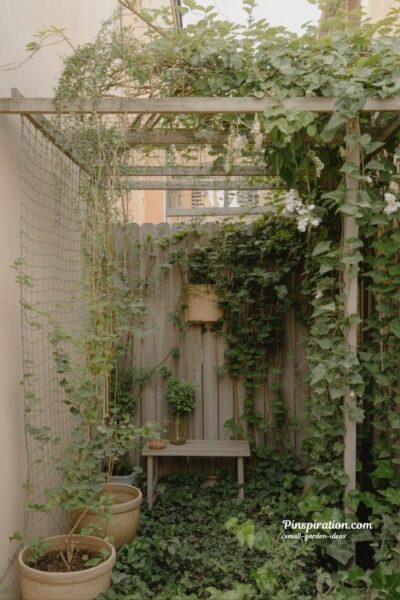
Privacy is often a concern in small gardens. Instead of building heavy walls, climbing plants offer a softer solution.
They grow slowly, but when they fill a space, it feels natural and comforting.
Green Walls That Feel Organic
Plants like jasmine or ivy create gentle coverage. Over time, they turn plain boundaries into living surfaces.
It feels less like blocking views and more like shaping them.
Adding Water for Calm Energy
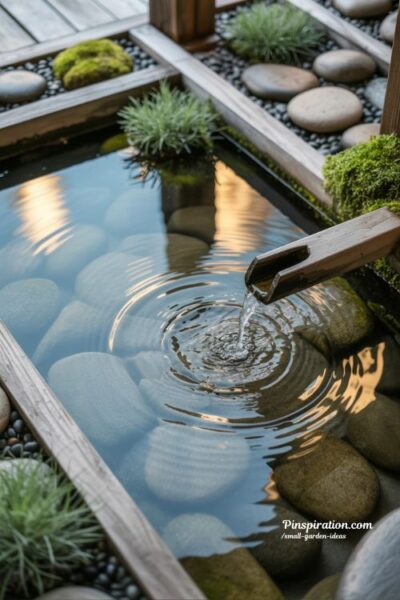
Even a tiny water feature can change the atmosphere. The sound alone brings a sense of calm that’s hard to explain.
It doesn’t need to be complicated. A small bowl or gentle fountain works perfectly.
Why Water Changes Everything
Water reflects light, adds movement, and softens harsh edges. It brings life to still spaces in a subtle way.
Lighting That Extends the Garden Experience
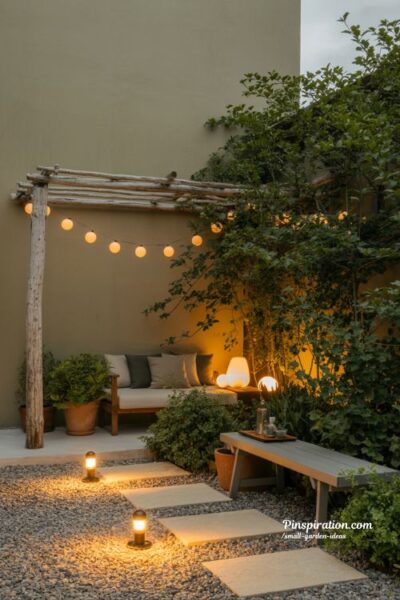
Evening is when a garden feels most peaceful. Soft lights make that moment last longer.
I prefer warm lighting because it feels natural, almost like candlelight.
Creating Evening Warmth
String lights, lanterns, or solar lamps all work. Place them gently rather than everywhere. Less is more here.
Smart Layout Tricks for Small Gardens
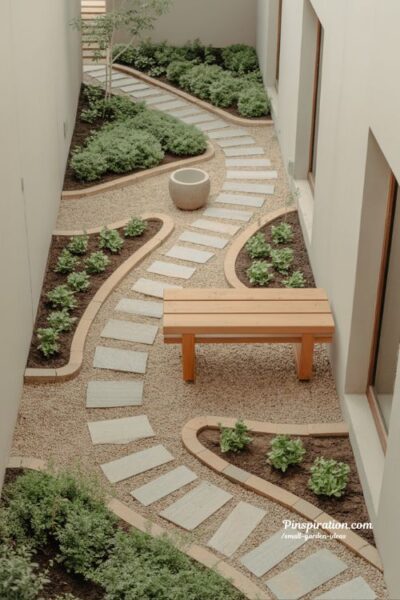
Layout is where everything comes together. You can have beautiful plants, but without structure, the space still feels messy.
A good layout guides the eye without forcing it.
Diagonal Flow Technique
One trick I like is slightly shifting paths diagonally. It creates the feeling of depth, even in narrow spaces. Your brain reads it as a longer distance than it actually is.
Multi-Use Furniture for Practical Living
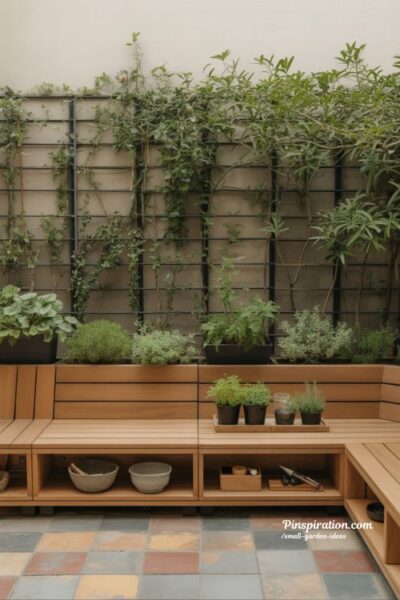
In Small Garden Ideas, furniture should never just sit there doing one job. A bench can store tools. A table can also hold plants.
This kind of flexibility keeps the space open.
Table – Plant Choices for Small Gardens
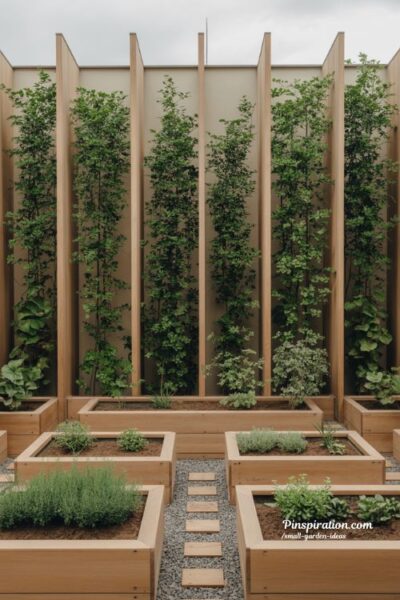
Before choosing plants, I always think about how much space they’ll actually take up. Here’s a simple guide I often refer to:
| Plant Type | Best Use Area | Benefit |
| Climbers | Walls & fences | Saves ground space |
| Herbs | Containers | Useful + compact |
Each type plays a role. Mixing them thoughtfully helps avoid overcrowding while still keeping the garden full of life.
Table – Space-Saving Design Elements
Sometimes the best Small Garden Ideas come from combining design elements rather than adding more plants. Here’s how different features compare:
| Element | Function | Space Impact |
| Vertical panels | Green coverage | Saves floor space |
| Raised beds | Organized planting | Medium space usage |
This kind of structure helps you design with clarity instead of guesswork.
Final Flow of Small Garden Ideas
When everything comes together, a small garden becomes more than just a space. It becomes a rhythm of light, green, and quiet moments.
It doesn’t need to be perfect. It just needs to feel like you.
FAQ
What are the best Small Garden Ideas for beginners?
Start with containers, simple seating, and a few easy plants. Keep things light and avoid overcrowding.
How can I make a small garden look bigger?
Use vertical gardening, light colors, and simple layouts that guide the eye outward instead of inward.
What plants work best in small gardens?
Climbers, herbs, and compact flowering plants work best because they don’t take up too much ground space.
Can I grow vegetables in a small garden?
Yes, raised beds and containers make it easy to grow vegetables even in tight spaces.
Do small gardens need a lot of maintenance?
Not necessarily. If you choose simple plants and limit variety, maintenance stays easy and manageable.
How important is lighting in small gardens?
Very important. Soft lighting extends usability and creates a warm, inviting atmosphere at night.
What is the biggest mistake in small garden design?
Overcrowding. Too many elements make the space feel smaller instead of enhancing it.
1 thought on “15 Stunning Small Garden Ideas for Beautiful Tiny Outdoor Spaces”