
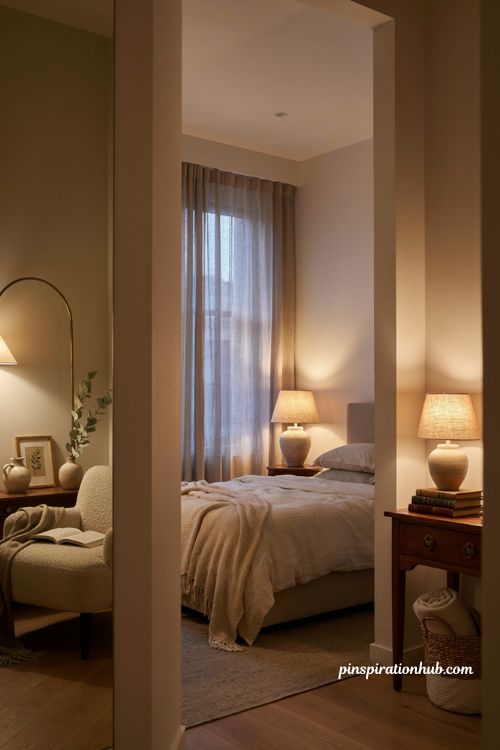
Most people spend way more time thinking about their bedding and paint color than they ever spend thinking about the actual lighting in their room, and it shows. A single harsh overhead bulb can undo even the most beautifully decorated bedroom, while the right combination of lamps and fixtures can make an ordinary room feel like a retreat. The good news is that fixing bedroom lighting doesn’t require an electrician or a full renovation in most cases. Here are 15 ideas to help you layer light the right way and finally get that cozy, relaxing glow you’ve been picturing.
1. Layer Three Types of Light Instead of One
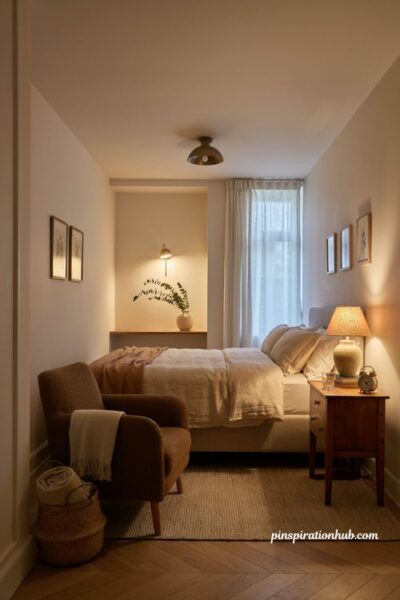
Relying on a single ceiling fixture is one of the most common bedroom lighting mistakes, since it leaves the whole room feeling either too bright or too dim with no in-between. Combine ambient light from an overhead fixture, task light from a reading lamp, and accent light aimed at art or a favorite corner. This layering approach gives you actual control over the mood depending on the time of day or activity. Once you experience a properly layered room, it’s hard to go back to a single switch on the wall.
2. Match Your Bedside Lamps for Instant Symmetry
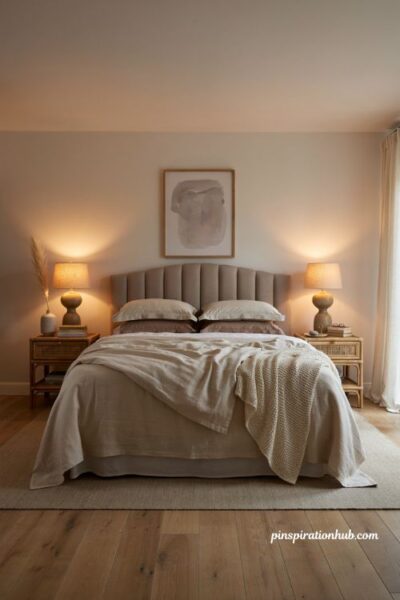
A pair of matching lamps on either side of the bed creates an easy, polished symmetry that instantly makes a bedroom feel more finished. Choose a sculptural or graphic design if your walls and bedding lean neutral, since the lamps can then double as a design statement rather than just a light source. This works in almost any style of bedroom, from traditional to modern. It’s one of the simplest upgrades that reads as far more intentional than it actually is to set up.
3. Swap a Bedside Lamp for a Floor Lamp
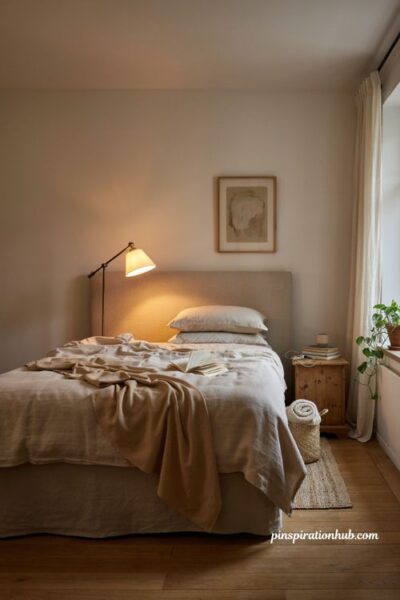
If your nightstands are small or already crowded with books and a phone charger, a tall floor lamp positioned just behind or beside the bed frees up valuable surface space. This works especially well in larger bedrooms where a floor lamp’s height helps fill out the vertical space in the room. It also gives you the flexibility to angle the light exactly where you want it for reading. Floor lamps tend to read as a bit more relaxed and lived-in than a stiff pair of matching table lamps.
4. Hang a Chandelier as a Focal Point
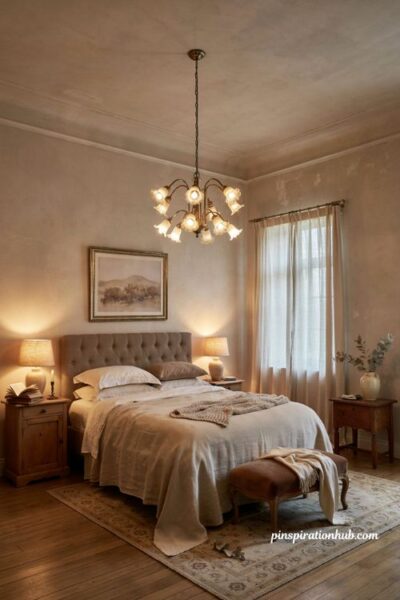
A chandelier isn’t just for dining rooms — hung above the bed or in the center of the room, it becomes an instant focal point that draws the eye upward. Pair it with a dimmer switch so it doesn’t overwhelm the space when you just want soft, low light before sleep. An antique or vintage-style chandelier adds a sense of history and elegance, especially when balanced with simpler, more modern table lamps elsewhere in the room. It’s a bold choice, but one that consistently pays off in how finished the room feels.
5. Choose a Patterned Lampshade for Texture
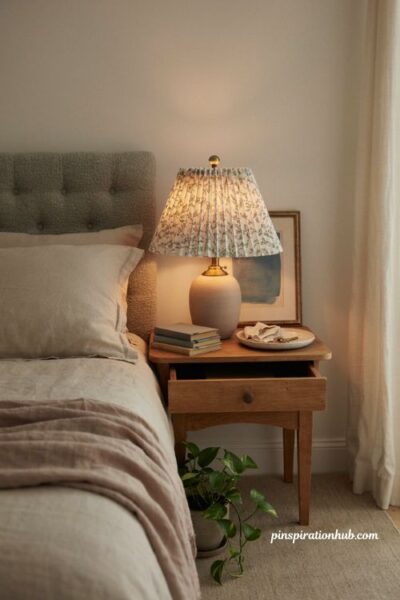
A plain white lampshade does the job, but a patterned or pleated fabric shade adds an extra layer of texture and personality without much extra effort. This is an easy way to introduce a print or color you love without committing to it on a larger scale, like wallpaper or bedding. Pleated shades in particular add a soft, tailored look that catches light beautifully once switched on. It’s a small swap that makes a noticeable difference in how considered the room feels.
6. Go With Pendant Lights Instead of Table Lamps
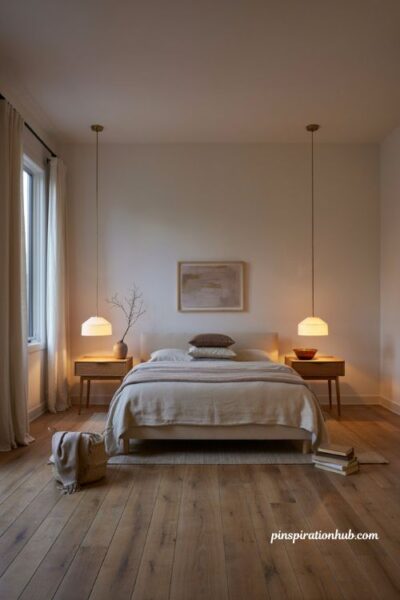
If your nightstands can’t fit a lamp, or you simply want to maximize surface space, pendant lights suspended from the ceiling on either side of the bed solve the problem elegantly. This works particularly well in rooms with higher ceilings, where the drop of the pendant doesn’t feel cramped. It also creates a more custom, designed look than a standard lamp ever could. Just be sure the pendant hangs low enough to actually provide useful task lighting for reading in bed.
7. Mount Sconces Directly to the Headboard
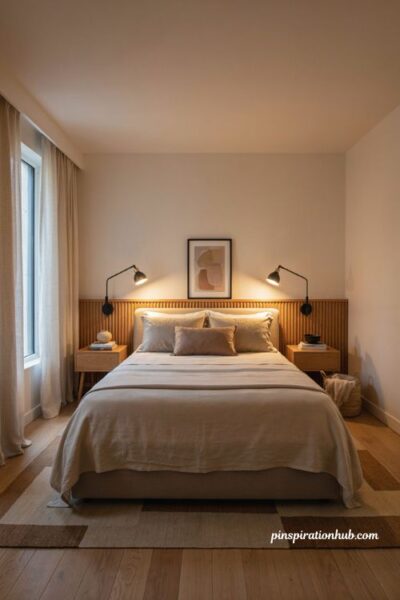
For a sleek, space-saving option, sconces mounted right onto a wood slat or upholstered headboard put light exactly where you need it without taking up any nightstand real estate. This works especially well in smaller bedrooms where every inch of surface space matters. An adjustable or swing-arm sconce lets you direct the light precisely for reading, then fold it out of the way when you’re done. It’s a clean, modern solution that feels intentional rather than improvised.
8. Add a Dimmer to Your Overhead Light
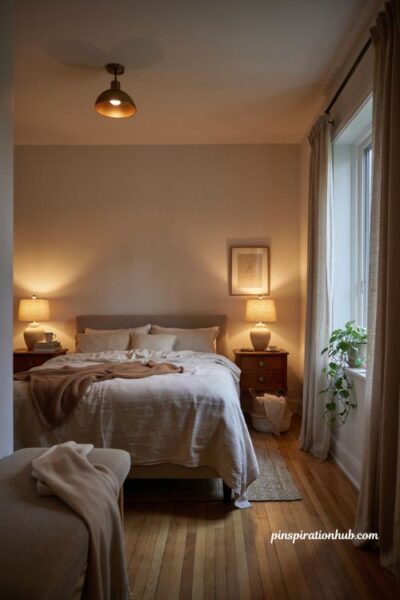
If there’s one single upgrade that changes a bedroom’s mood more than almost anything else, it’s a dimmer switch on the main overhead fixture. Full brightness works for getting dressed in the morning, while a dimmed, warm glow in the evening makes the whole room feel calmer and more ready for sleep. This is a relatively simple electrical fix that most bedrooms can benefit from, regardless of the fixture style. Once you have one, it’s genuinely hard to imagine going back to a single on-off switch.
9. Bring In a Colorful Lamp Base for Energy
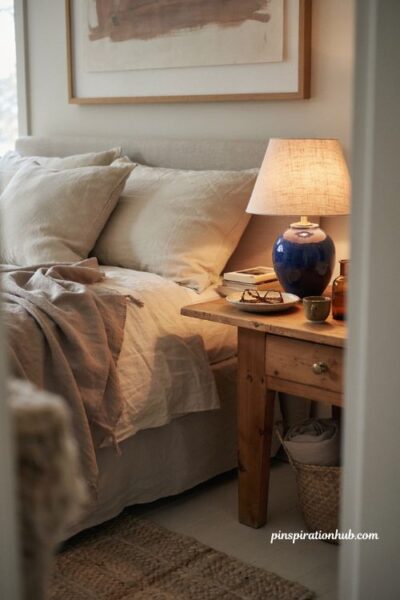
Not every bedroom needs to stick to neutral lighting fixtures — a bold, colorful lamp base can add personality and even a bit of playfulness to an otherwise calm room. A bright yellow or deep blue base works particularly well in a room that could use a little energy without a full color overhaul. Pair it with a simple, neutral shade so the color doesn’t compete with itself. It’s a low-commitment way to experiment with color in a room you might otherwise decorate conservatively.
10. Try a Woven or Rattan Pendant for Warmth
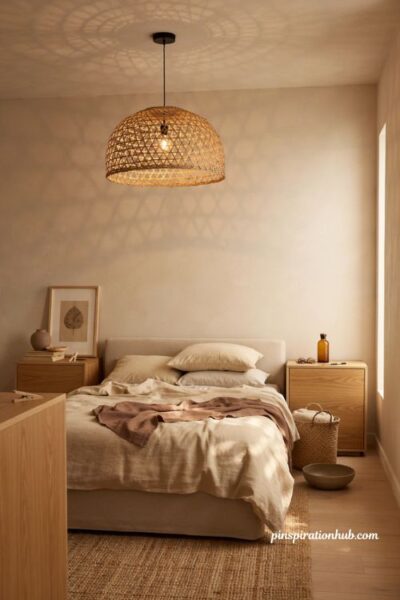
A woven rattan pendant brings a light, breezy texture to a bedroom that feels a world away from a standard glass or metal fixture. The natural material filters light in a soft, dappled way that adds warmth without needing a shade at all. This pairs especially well with casual, coastal, or Japandi-inspired bedrooms that lean on natural materials throughout. It’s an inexpensive fixture that still manages to feel like a real design choice.
11. Use Plug-In Sconces to Skip the Wiring
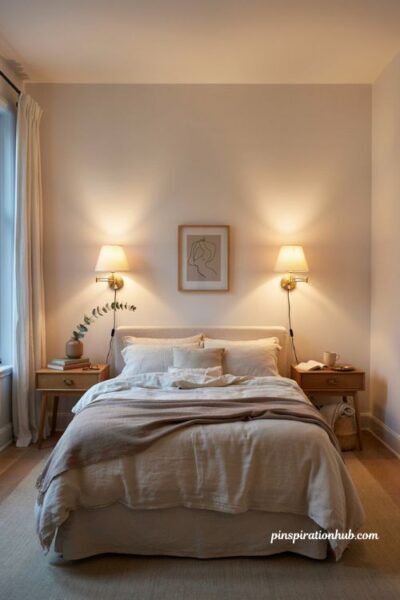
If you love the look of wall sconces flanking the bed but don’t want to deal with an electrician or in-wall wiring, plug-in sconces solve that problem entirely. They mount at whatever height you like and simply plug into a nearby outlet, with the cord run neatly along the wall or hidden behind furniture. This is a great renter-friendly option for anyone who wants a built-in look without any permanent installation. Keep the cord taut and tucked away for the cleanest possible finish.
12. Add Accent Lighting to Shelves or Art
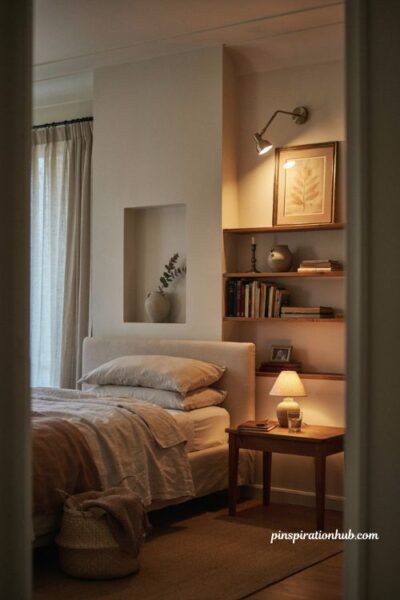
Small accent lights aimed at a favorite piece of art, a bookshelf, or an architectural niche add depth and dimension that overhead lighting alone can’t achieve. This is a subtle addition that most people notice without quite being able to say why the room feels more polished. It also gives you a way to highlight something meaningful in the room, like a piece of art or a collection you’re proud of. Even one well-placed accent light can elevate an otherwise flat wall.
13. Light Up a Reading Nook With a Slim Floor Lamp
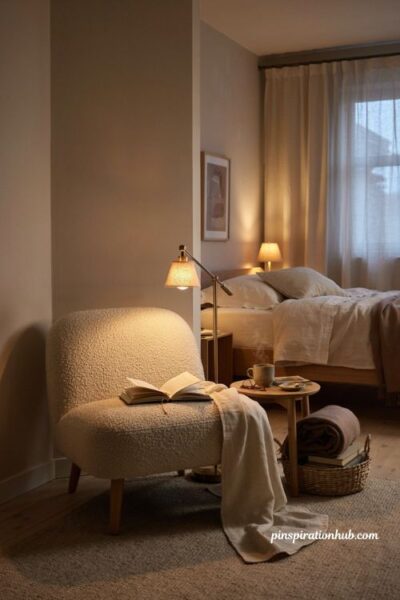
If you have a cozy chair tucked into a corner of your bedroom, a slim, streamlined floor lamp turns that spot into an actual reading nook rather than an afterthought. Look for a design with an adjustable arm so you can angle the light directly onto the page without glare. This works especially well in smaller bedrooms where a bulkier lamp would feel out of place. It’s a small addition that makes a corner of the room feel genuinely purposeful.
14. Try Under-Bed Lighting for a Soft Glow
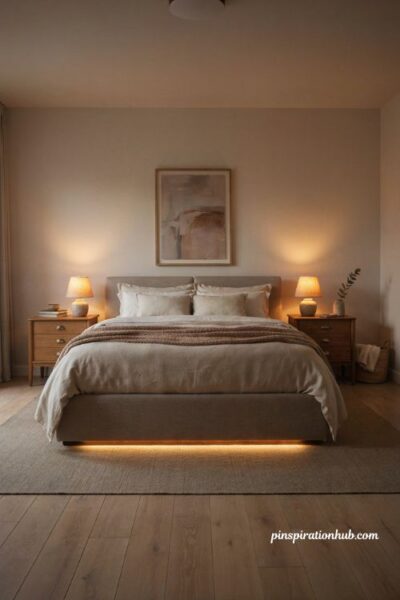
A subtle strip of light installed underneath the bed frame creates a soft, ambient glow that works beautifully as a nightlight without the harshness of a lamp. This is especially useful for late-night trips to the bathroom, since it lights the path without fully waking you up. It also adds a modern, slightly dramatic touch to the room once the main lights go off. This one’s a bit more of a project than the others here, but the payoff is genuinely worth it.
15. Use Smart Bulbs to Set the Mood Automatically
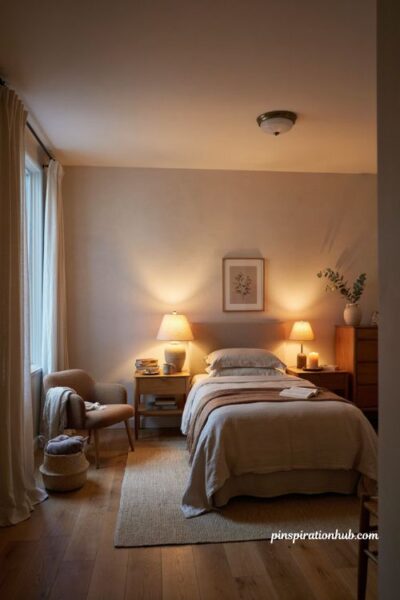
Smart lighting systems let you adjust brightness, color temperature, and even schedule changes throughout the day, all from your phone or a voice command. Programming warmer, dimmer light in the evening and brighter light in the morning can genuinely help support a more natural sleep and wake rhythm. This is an easy upgrade for existing lamps and fixtures, since most smart bulbs simply screw into your current sockets. It’s a small tech investment that ends up doing a lot of the mood-setting work for you.
Final Thoughts
Good bedroom lighting isn’t really about buying one perfect fixture — it’s about giving yourself a few different sources of light and the ability to control each of them separately. Start with whatever feels most doable right now, whether that’s a fifteen-dollar dimmer switch or a pair of matching lamps you’ve been meaning to buy. The rest can come together gradually as you notice what the room actually needs at different times of day. What kind of light does your bedroom need more of right now — brighter mornings, or softer evenings?
Frequently Asked Questions
Q: What is the best type of lighting to use in a bedroom?
A mix of ambient, task, and accent lighting works best, since it gives you flexibility for different activities like reading, relaxing, or getting ready in the morning.
Q: Should bedroom lighting be warm or cool?
Warm lighting is generally better for bedrooms, since it creates a cozier, more relaxing atmosphere that’s easier to wind down in before sleep.
Q: How bright should a bedroom be?
Bedroom brightness should be adjustable rather than fixed, which is why a dimmer switch or layered lighting setup tends to work better than a single bright overhead fixture.